Immune health is built mostly in ordinary days, not in a single product. Sleep, food, movement and stress all shape how the immune system performs, and they are the foundation before any supplement, infusion or peptide is considered. This guide covers the daily habits that matter most, then explains where an immune-supporting peptide such as thymosin alpha-1 fits, and where it does not.
These support immune health. They do not replace vaccination, testing, or medical evaluation.
What does immune health actually depend on?
The immune system is not one switch that can be turned up. It is a network of cells and signals that works best when the body has what it needs to run. That is why the most reliable steps are also the least exciting ones.
Daily habits that support the immune system
Sleep
Sleep is when much of the body’s repair and recovery work happens. Irregular or short sleep, common during travel and busy seasons, makes it harder for the body to keep up.
- A consistent sleep and wake time, including weekends
- A dark, cool room and screens put away before bed
- Treating a poor stretch of sleep as a reason to scale back, not push harder
Nutrition and protein
The immune system builds its cells and signaling molecules from the nutrients eaten each day. Protein, along with a wide range of fruits, vegetables and whole foods, supplies those raw materials. The article on how much protein you actually need explains how to find a personal number.
- Protein at each meal
- A variety of colorful plant foods
- Limiting heavily processed food and excess alcohol
Hydration
Staying hydrated supports normal body function and is easy to neglect in cold, dry months. Hydration also becomes harder when appetite and thirst cues are low.
Movement
Regular movement, including resistance training, supports overall health and recovery. Consistency matters more than intensity, and a hard push during an illness is usually a step backward.
Stress
Ongoing stress affects sleep, appetite and recovery, which all feed back into immune health. Short daily practices such as a walk, time outdoors or a few minutes of quiet are simple places to start.
Everyday protection
- Hand washing, especially after being out in public
- Staying home when sick, and giving others space when they are
- Staying current with recommended vaccinations, as advised by a clinician
- Calling the office before coming in if symptoms are present
When daily habits are not enough
Some people are exposed to illness constantly, travel often, sleep poorly or are run down after a long season. In those situations a clinician may look at additional support. The immune support supplements guide covers ImmuCore, Transfer Factor and Viracid, and the Myers cocktail and IV ozone articles explain the infusion options.
Where does an immune-supporting peptide fit?
Thymosin alpha-1 is the peptide most often discussed in this setting. It comes up often in conversations about immune health, usually alongside words like peptide, immune modulator and sick season, and it is also easy to misunderstand.
What is thymosin alpha-1?
Thymosin alpha-1 is an acetylated peptide made of 28 amino acids. It is derived from a larger protein called prothymosin alpha and is naturally associated with the thymus, the organ that helps train T cells.
Immune modulator, not immune booster
Thymosin alpha-1 is described as an immune modulator, not an immune booster. The goal is better immune recognition, communication and response, particularly when cell-mediated immunity is weak or out of balance. Depending on the immune environment, it may strengthen a weak response while also supporting the pathways that limit excess inflammation. That two-way behavior is why modulation is the more accurate word.
How does thymosin alpha-1 work?
The mechanisms below are the proposed ones, drawn mostly from laboratory and experimental models.
- Dendritic cells: it interacts with Toll-like receptor pathways, mainly TLR2 and TLR9, which supports dendritic cell maturation and signaling
- T cells: it supports the development and function of CD4 helper and CD8 cytotoxic T cells
- Natural killer cells: it may improve their maturation and activity, which matters for recognizing infected or abnormal cells
- Antigen presentation: it can increase MHC class I expression, which helps immune cells display antigens to cytotoxic T cells
What about infections?
This is the part most often overstated. Thymosin alpha-1 does not directly destroy viruses, bacteria or fungi, and the evidence does not establish it as a substitute for vaccination or indicated antiviral medication. It is not an antibiotic, an antiviral or a vaccine.
- Viral illness: the proposed benefit is stronger antigen presentation, natural killer cell activity and virus-specific T cell function
- Recovery: it may be considered after an illness when the goal is restoring coordinated cellular immunity. Evidence for post-viral fatigue and prolonged recovery is still emerging
How is it given, and who needs extra review?
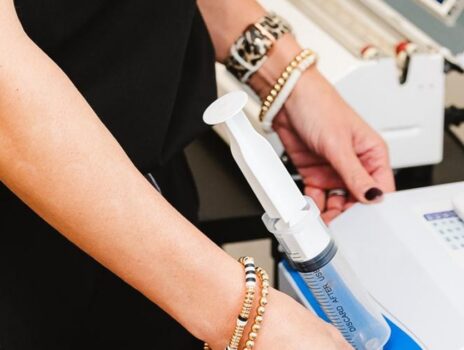
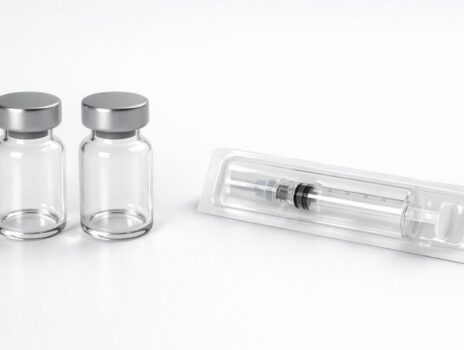
It is given by subcutaneous injection, meaning a small injection just under the skin. The schedule, amount and length of use depend on the individual and the goal, and are set by the prescribing clinician. Because it acts on the immune system, a clinician reviews the full picture before it is prescribed. These situations call for a closer look:
- Pregnancy or breastfeeding
- Autoimmune disease
- Organ transplant
- Immunosuppressive therapy
- A prior reaction to a peptide
Possible side effects include redness, itching or discomfort at the injection site, and less commonly headache, nausea, fever or fatigue.
The full explanation is in Thymosin Alpha-1: What It Is, How It Works, and What to Know.
Putting it in order
- Start with sleep, food, movement, stress and everyday protection
- Add targeted support such as supplements or infusions when exposure or recovery calls for it
- Consider a peptide such as thymosin alpha-1 only after an individual evaluation
- Do not delay testing, antiviral treatment or a medical evaluation when symptoms are present
Is it right for you?
That depends on the person, the season and the medical history. Someone healthy and well rested, someone around illness every day and someone recovering from a rough winter all have different answers, which is why additional support is decided one patient at a time rather than applied as a formula.
These support immune health. They do not replace vaccination, testing, or medical evaluation.