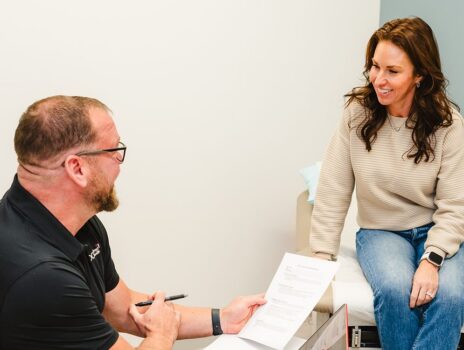
Our founder, Lexi Yoo, CEO & FNP-BC/CPNP, IFMCP, was just published in MedCity News with a piece every woman navigating midlife should read: “The Truth About Testosterone in Women: What Medicine Has Overlooked.”
Her message is simple and long overdue: testosterone is not just a “male hormone.” Women need it too, and treating it as optional has left countless women struggling through midlife while being told everything looks “normal.”
Why testosterone matters for women
Testosterone plays a real role in women’s metabolism, cognition, muscle preservation, and everyday vitality. When it declines, the effects show up as fatigue, brain fog, loss of strength, and a metabolism that no longer behaves the way it used to. Yet it remains one of the most overlooked hormones in women’s health.
“Normal” labs are not the same as feeling well
One of the biggest points Lexi makes is that standard lab reference ranges were built to catch disease, not to optimize how you function. A woman can be told her labs are “normal” while her body is telling a very different story. Perimenopause can begin 7 to 10 years before menopause, and those years bring real metabolic and neurologic changes that deserve to be taken seriously, not dismissed.
Hormones work as a system
Testosterone cannot be evaluated in isolation. Hormones operate in an interconnected system, which is why a single number rarely tells the whole story. Not every woman needs testosterone therapy, but every woman deserves a thorough, individualized evaluation rather than a quick “everything looks fine.”
How we approach it at Yoo Direct Health
This is exactly the philosophy behind our hormone care. We look at the full picture, listen closely to your symptoms, and build a plan around your body and your goals, not just a lab range. If you have felt off and been told nothing is wrong, a comprehensive hormone evaluation can help uncover what is actually going on.
Read Lexi’s full article in MedCity News: The Truth About Testosterone in Women: What Medicine Has Overlooked
Curious whether your hormones are part of the picture? Start with a comprehensive hormone evaluation. Call or text 317-523-9160 or request an appointment.