If you’re taking a GLP-1 medication like semaglutide or tirzepatide, you already know it changes how your appetite feels. What surprises many patients is how much it also changes their thirst, and why staying hydrated suddenly takes real effort. Here’s what’s happening in your body, and how to stay ahead of it.
How GLP-1 medications change your hunger and thirst signals
GLP-1 (glucagon-like peptide-1) medications work in part by acting on the appetite centers in your brain and slowing how quickly your stomach empties. That’s exactly why they’re so effective for weight management. Food stays with you longer, and the constant “I’m hungry” signal quiets down.
But hunger and thirst share overlapping wiring. When a medication turns down your appetite, it often turns down your thirst cues right along with it. Add in slower stomach emptying, which can leave you feeling full after just a few sips, and it becomes easy to go most of the day barely drinking without ever feeling like you need to.
The result is that many people on GLP-1s become mildly dehydrated without the usual warning sign of feeling thirsty. And because some GLP-1 side effects such as nausea, occasional vomiting, or looser stools (especially early on or after a dose increase) cause you to lose fluid, the gap between what you take in and what you lose can widen quickly.
Why dehydration matters more than you might think
Even mild dehydration can amplify the very things you’re trying to feel better about. Common signs include:
- Afternoon fatigue and low energy
- Headaches
- Dizziness or lightheadedness, especially when standing up
- Muscle cramps
- Brain fog and trouble concentrating
- Constipation
- Worsened nausea
Here’s the tricky part. Several of these overlap with GLP-1 side effects and with dehydration. So a symptom you might chalk up to “just the medication” is sometimes your body simply asking for more fluid and electrolytes.
Hydration isn’t just about water
When you’re sweating through an Indiana summer, or losing fluid to GLP-1 side effects, you’re not only losing water. You’re losing electrolytes: sodium, potassium, and magnesium. These minerals are what actually pull water into your cells and keep it there. Drinking plain water without replacing them can leave you feeling like the water is “passing right through,” because in a sense, it is.
That’s why the goal isn’t just more water. It’s water your body can actually absorb and hold onto.
7 practical ways to beat blunted thirst cues on a GLP-1
1. Drink on a schedule, not on thirst
This is the single most important shift. If you wait until you feel thirsty, you’ll almost always be behind. Instead, build water into your day the way you build in your medication or meals. A glass when you wake up, one with each meal, one mid-morning, one mid-afternoon.
2. Set gentle reminders
A recurring phone alarm, a hydration app, or a marked water bottle with time-of-day lines all work. The tool matters less than the habit, so pick whatever you’ll actually notice.
3. Add electrolytes, especially on hot days or rough-tummy days
A pinch of sea salt and a squeeze of citrus in your water, an electrolyte packet, or mineral-rich foods can make water far more effective. If you have high blood pressure, kidney concerns, or heart conditions, talk with your provider before adding sodium or potassium.
4. Eat your water
Water-rich foods count. Cucumber, watermelon, oranges, celery, berries, and broth-based soups all contribute fluid and minerals, and they’re easy to tolerate when a full glass of water feels like too much.
5. Sip small and often
Because GLP-1s slow stomach emptying, chugging a big glass can feel uncomfortable and even worsen nausea. Small, frequent sips are gentler and add up over the day.
6. Make it taste good
If plain water is unappealing, infuse it with lemon, cucumber, mint, or a few frozen berries. Herbal iced tea and sparkling water count too. The best hydration strategy is the one you’ll keep doing.
7. Watch for red flags
Dark urine, persistent dizziness, a racing heart, or being unable to keep fluids down are signs to reach out to your care team promptly. Hydration is usually a simple fix, but it shouldn’t be ignored.
When you need a faster reset: IV hydration
Some days, drinking your way back to balance is slow going. After travel, heat, a stomach-heavy stretch on your medication, or simply falling behind, you may need to catch up quickly. IV hydration therapy delivers fluids and electrolytes directly into your bloodstream, bypassing the slowed digestion entirely. Many patients feel noticeably better within about 45 minutes. It’s not a replacement for daily hydration habits, but it can be a helpful tool when you need to catch up fast.
Our Myers Cocktail IV
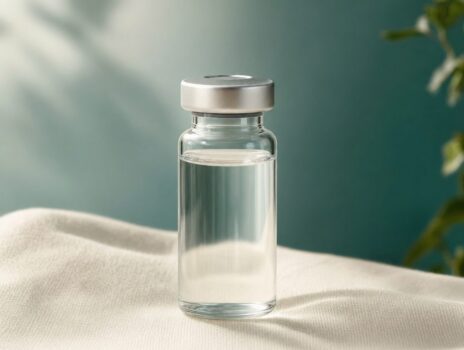
One of our most popular options is the Myers Cocktail, an IV infusion mixed in a base of 0.9% normal saline. Along with rehydrating you, this blend of vitamins and minerals is formulated to help alleviate stress, support immunity, restore balance, and create lasting energy. It’s a favorite for anyone who wants to feel restored rather than just topped off. Here’s what’s inside and what each ingredient is designed to support:
- Magnesium Chloride: supports immunity and relaxation
- B Complex Vitamins: help convert the nutrients you take in into usable energy
- Hydroxo B12: promotes healthy brain function, blood, cells, and nerves
- Calcium Gluconate: supports strong bones and the normal function of your muscles, nerves, and cells
- Ascorbic Acid (Vitamin C): helps protect cells from free-radical damage, supports collagen production, and boosts immunity
For patients on a GLP-1 who are managing side effects or simply working hard to stay hydrated, the Myers Cocktail can be a comfortable way to replenish both fluids and key nutrients at once.
Hydration is part of the bigger picture
At Yoo Direct Health, we look at GLP-1 therapy as one piece of a whole-body approach, not a standalone quick fix. Staying well hydrated helps you tolerate your medication better, keeps your energy steadier, and supports the results you’re working toward. If you’re on a GLP-1 and struggling with hydration, side effects, or you simply want a partner who looks at the full picture, we’re here to help.
Ready to feel your best this summer? Reach out to our Central Indiana team to talk about your GLP-1 journey, hydration support, and IV therapy options.
This article is for general educational purposes and isn’t a substitute for personalized medical advice. Always follow the guidance of your own provider regarding your medications, hydration, and any changes to your care.
Hydration is not the only change people notice on a GLP-1. Many also see a difference in their face as the weight comes off. Why weight loss changes your face covers what causes it and what the options are.
If you are on a GLP-1 and something feels off, you should not have to guess your way through it. Request an appointment and our team will help you adjust.