If you have been trying to decide between a HydraFacial, a chemical peel, and a tone-up laser facial, the treatment names tend to blur together once the research starts. All three improve the surface of the skin, but each one gets there by a different mechanism, and that mechanism is what determines which concerns it addresses and how much recovery it asks for.
The useful question is not which treatment is strongest. It is which one matches the concern being treated and the amount of downtime that fits the schedule.
What these treatments have in common
Each of these is a facial treatment performed in a clinical setting rather than a spa service. Each works on the outer layers of the skin to improve tone, texture, clarity, or hydration. And each is typically performed as part of a series rather than as a single event, because skin responds gradually.
Where they differ is the tool. One uses suction and serums, one uses acids, and one uses laser energy.
What is a HydraFacial?
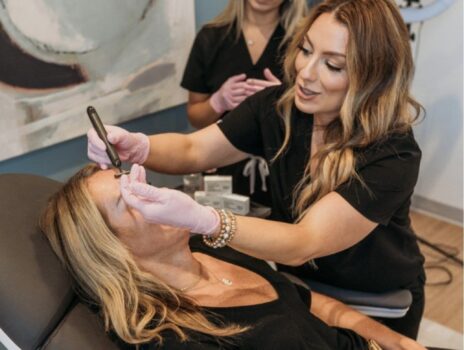
A HydraFacial cleanses, exfoliates, extracts, and hydrates in one pass, using vortex suction. It is a mechanical treatment rather than a chemical or energy based one, which is what keeps it gentle.
It is often chosen when visible results are wanted quickly and recovery time is not an option. There is no downtime, and it is gentle enough to do regularly.
A HydraFacial may suit someone who:
- Wants immediate visible results before an event
- Cannot accommodate any recovery time
- Is looking for congestion and dullness to be addressed in one appointment
- Wants a treatment that can be repeated on a regular schedule
What is a chemical peel?
Chemical peels use acids at professional strength to loosen the bonds between dull surface cells. Once those bonds release, the surface layer sheds and newer skin is revealed underneath.
Peels are available in a range of depths. Lighter formulations do less and ask for less recovery, while deeper formulations reach further and ask for more. Depth is matched to the concern being treated, which is why peels are selected by a provider rather than by strength alone.
A chemical peel may suit someone who:
- Is addressing pigmentation
- Is addressing texture concerns
- Can accommodate flaking for a few days
- Prefers a treatment with adjustable depth
Peels may flake for a few days. Lighter options are often scheduled toward the end of the week so that the flaking period falls over a weekend.
What is a tone-up laser facial?
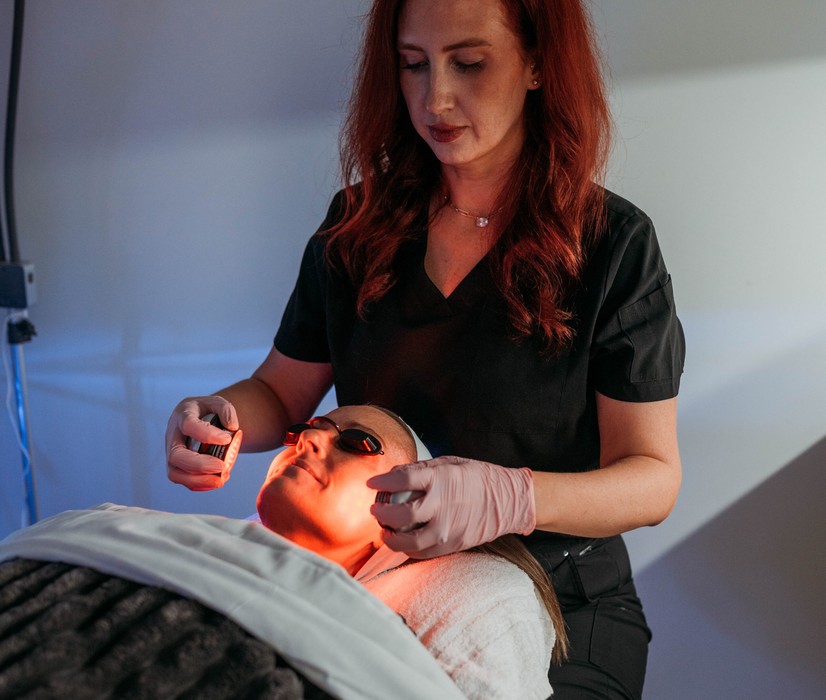
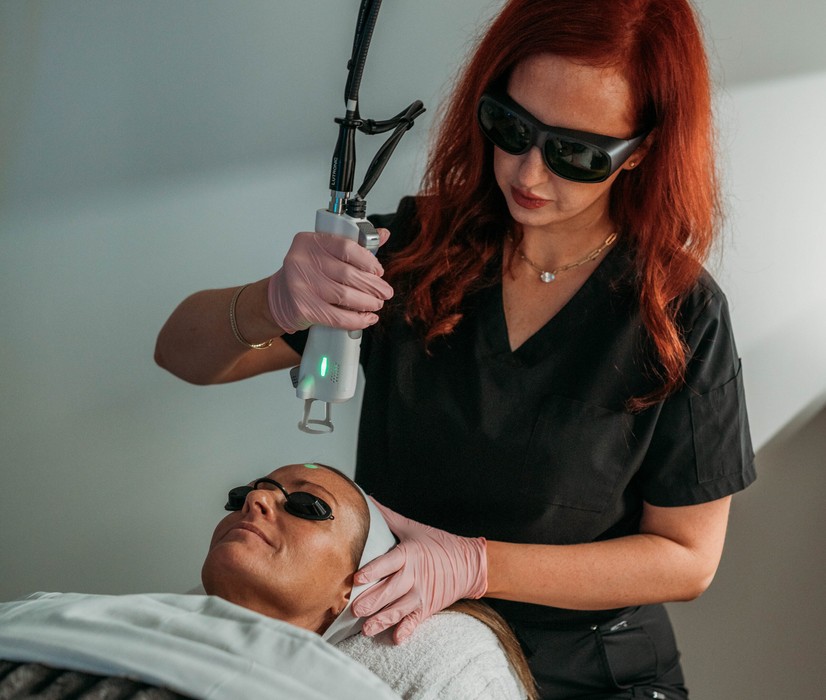
The tone-up laser facial uses Clarity II technology. Rather than exfoliating the surface chemically or mechanically, it delivers laser energy to work on overall tone, brightness, and clarity with essentially no social downtime.
It occupies a middle position. It is a facial with real technology behind it, which makes it a common choice for a periodic skin reset rather than a one time treatment.
A tone-up laser facial may suit someone who:
- Is focused on overall tone and brightness rather than a single spot concern
- Wants results from energy based technology without meaningful social downtime
- Is looking for a periodic reset rather than a single appointment
Where a custom facial fits
There is a fourth option worth knowing about. In a custom facial, the provider assesses the skin and builds a personalized treatment, selecting the appropriate cleanse, exfoliation, extractions, masks, and actives for that visit.
This is the practical choice when skin has been behaving unpredictably, or when the right treatment is genuinely unclear. It leaves skin clean and hydrated, and temporary pinkness is possible.
How to choose
Matching the treatment to the goal is more useful than ranking the treatments against each other. A general guide:
- An event is coming and there is no room for recovery: HydraFacial
- Pigmentation or texture is the main concern: chemical peel, at a depth selected by the provider
- Overall tone, brightness, and clarity are the goal: tone-up laser facial
- Skin has been unpredictable, or the right choice is unclear: custom facial
What about downtime?
Downtime is often the deciding factor, and it varies meaningfully across these treatments:
- HydraFacial: no downtime
- Custom facial: temporary pinkness is possible
- Tone-up laser facial: essentially no social downtime
- Chemical peel: flaking for a few days, depending on depth
Because peel depth is adjustable, the recovery associated with a peel is not fixed. A lighter peel and a deeper peel are different commitments, and that difference is worth raising during the consultation.
Is one of these right for you?
Suitability depends on the concern being treated, skin type and history, how skin has responded to previous treatments, and how much recovery time is realistic. Someone treating stubborn pigmentation is on a different path from someone who wants skin to look its best on Saturday.
A provider assessment is what settles it. Skin that is currently irritated, recently treated, or reacting to a new product may also need to settle before any of these treatments is appropriate, which is another reason the decision is made in person rather than in advance.