Thymosin alpha-1 comes up often in conversations about immune health, usually alongside words like peptide, immune modulator and sick season. It is also easy to misunderstand. It is not an antibiotic, not an antiviral and not a vaccine, and it is not an approved drug in the United States.
Thymosin alpha-1 is not FDA approved in the United States. It is prescribed individually after evaluation and is not a substitute for vaccination, testing or antiviral treatment.
What is thymosin alpha-1?
Thymosin alpha-1 is an acetylated peptide made of 28 amino acids. It is derived from a larger protein called prothymosin alpha and is naturally associated with the thymus, the organ that helps train T cells. A synthetic pharmaceutical form is used in several countries outside the United States.
What does immune modulator mean?
Thymosin alpha-1 is described as an immune modulator, not an immune booster. The goal is better immune recognition, communication and response, particularly when cell-mediated immunity is weak or out of balance. Depending on the immune environment, it may strengthen a weak response while also supporting the pathways that limit excess inflammation. That two-way behavior is why modulation is the more accurate word.
How does thymosin alpha-1 work?
The mechanisms below are the proposed ones, drawn mostly from laboratory and experimental models.
- Dendritic cells: it interacts with Toll-like receptor pathways, mainly TLR2 and TLR9, which supports dendritic cell maturation and signaling.
- T cells: it supports the development and function of CD4 helper and CD8 cytotoxic T cells.
- Natural killer cells: it may improve their maturation and activity, which matters for recognizing infected or abnormal cells.
- Antigen presentation: it can increase MHC class I expression, which helps immune cells display antigens to cytotoxic T cells.
What about infections?
This is the part most often overstated. Thymosin alpha-1 does not directly destroy viruses, bacteria or fungi, and evidence does not establish it as a substitute for vaccination or indicated antiviral medication.
- Viral illness: the proposed benefit is stronger antigen presentation, natural killer cell activity and virus-specific T cell function.
- Bacterial and fungal illness: research has explored it as an adjunct in settings such as sepsis and fungal infection. Those findings cannot be generalized to routine outpatient infections.
- Recovery: it may be considered after an illness when the goal is restoring coordinated cellular immunity. Evidence for post-viral fatigue and prolonged recovery is still emerging.
Thymosin alpha-1 is not FDA approved in the United States to prevent or treat colds or influenza.
Is thymosin alpha-1 given as a pill?
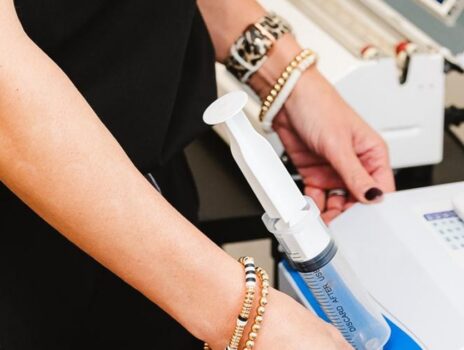
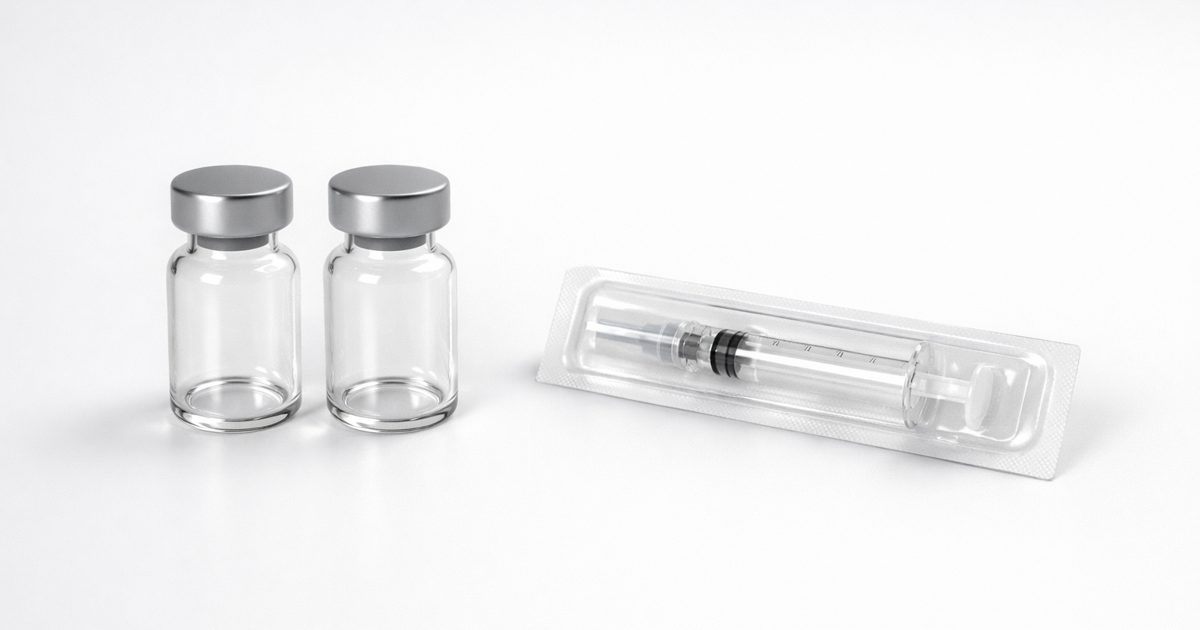
No. It is given by subcutaneous injection, meaning a small injection just under the skin. The schedule, amount and length of use depend on the individual and the goal, and are set by the prescribing clinician. Dosing is kept in the patient’s chart and is not published here.
What are the possible side effects?
- Redness, itching or discomfort at the injection site
- Less commonly, headache, nausea, fever or fatigue
Who needs extra review first?
Because it acts on the immune system, a clinician reviews the full picture before it is prescribed. These situations call for a closer look:
- Pregnancy or breastfeeding
- Autoimmune disease
- Organ transplant
- Immunosuppressive therapy
- A prior reaction to a peptide
Why a prescription and a verified source matter
Thymosin alpha-1 requires a prescription, an individualized risk-benefit assessment and a verified dispensing source. Peptide regulation has shifted quickly in the United States, which makes the source of the product as important as the peptide itself. The peptide library on the peptide therapy page explains how peptides are approached in general.
How does it fit with the rest of sick season?
Thymosin alpha-1 is one option among several, and for most people it is not the first one. Supplements such as ImmuCore, Transfer Factor and Viracid are covered in the immune support supplements guide, and the infusions are on the IV therapy page. Which of them fits depends on whether someone is healthy, recently exposed, actively sick or recovering.
If symptoms are present, testing, antiviral treatment and a medical evaluation should not be delayed or replaced by any of these.
Is thymosin alpha-1 right for you?
That depends on the person, the goal and the medical history, which is why it is decided one patient at a time rather than offered as a routine add-on. Someone with an autoimmune condition, someone on immune-suppressing medication and someone who is simply tired after a rough winter all have different answers.
Thymosin alpha-1 is not FDA approved in the United States. It is prescribed individually after evaluation and is not a substitute for vaccination, testing or antiviral treatment.
References
- Romani L et al. Thymosin alpha-1 activates dendritic cells for antifungal Th1 resistance through Toll-like receptor signaling. Blood. 2004. PMID 14982877.
- Dominari A et al. Thymosin alpha-1: a comprehensive review of the literature. World Journal of Virology. 2020. PMCID PMC7747025.
- FDA Pharmacy Compounding Advisory Committee briefing materials for thymosin alpha-1. December 4, 2024.