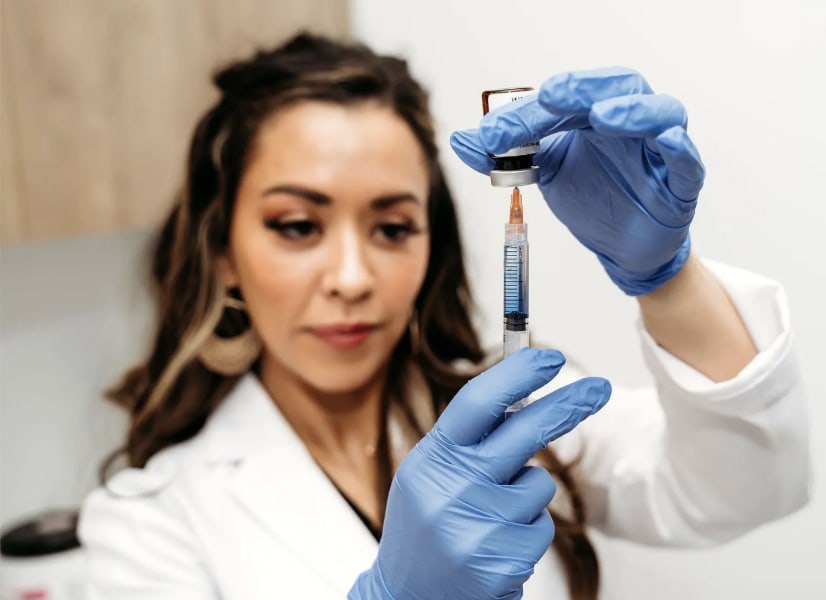
Regenerative health is quickly becoming a central focus in modern medicine, especially as patients shift from reactive care to proactive, longevity-driven strategies. It’s no longer just about treating symptoms or recovering from illness. It’s about optimizing how the body heals, repairs, and maintains itself over time.
Whether you’re recovering from an injury, healing after surgery, managing chronic inflammation, or simply looking to improve tissue quality as you age, your body’s ability to regenerate is everything. The meaning of regenerative capacity lies in the body’s ability to repair tissues and promote cellular regeneration, which is fundamental for recovery and long-term health.
This is where peptides play a powerful role. Peptides are short chains of amino acids, typically consisting of 2 to 100 amino acids, and they play crucial roles in various biological functions within the body. They are naturally found in many foods, which provide the amino acids necessary for peptide synthesis. Peptides are also involved in processes related to disease and inflammation, highlighting their importance in both health maintenance and disease prevention.
What Are Peptides and Why Do They Matter?
Peptides are short chains of amino acids that function as signaling molecules in the body. These substances are found in many foods and are also available as supplements. Think of them as messengers that tell your cells what to do and when to do it. They regulate a wide range of biological processes, including inflammation, immune response, tissue repair, and collagen production. Peptides are also involved in hormone regulation, immune response, and cell signaling, making them essential for maintaining health.
As we age, or when the body is under stress from injury, illness, or environmental factors, these signaling pathways can become less efficient. Healing slows, inflammation lingers, and tissue integrity declines. Researchers have developed over 100 FDA-approved peptide drugs for various diseases, highlighting the therapeutic potential of peptides.
Targeted peptide therapy helps restore and enhance these communication pathways, allowing the body to repair itself more effectively.
Understanding Inflammation and Its Impact on Regeneration
Inflammation is a natural defense mechanism that the body uses to protect itself from harmful stimuli, such as bacteria, toxins, or injury. When tissues are damaged, the immune system triggers an inflammatory response to eliminate the cause of harm and begin the healing process. However, not all inflammation is beneficial. Acute inflammation is a short-term response that helps the body recover from trauma or infection, while chronic inflammation is a persistent, low-grade process that can last for months or even years.
Chronic inflammation is increasingly recognized as a major factor in the development of many diseases. Research shows that when inflammation becomes chronic, it can disrupt the delicate balance of growth factors and signaling molecules needed for tissue repair. This ongoing inflammatory state can degrade collagen, the protein that provides structure and strength to skin, joints, and connective tissue, ultimately reducing the regenerative capacity of the body.
Managing inflammation is therefore essential for supporting regeneration and overall health. By addressing the underlying factors that drive chronic inflammation; such as poor diet, stress, and environmental toxins, patients can create a healthier environment for tissue repair. Effective treatment plans often combine anti-inflammatory strategies with regenerative therapies, such as peptides, to restore balance and promote optimal healing.
Why Use Peptides for Regenerative Health?
Regenerative peptides are designed to support the body’s natural healing processes at a cellular level. Instead of masking pain or inflammation, they work upstream to improve how the body responds to damage.
Key benefits include:
- Enhanced collagen production for stronger, healthier tissues
- Accelerated healing of wounds, injuries, and surgical sites
- Reduction in chronic inflammation
- Improved blood flow and nutrient delivery to damaged areas
- Support for soft tissue, joint, and gut repair
- Increased resilience and recovery capacity over time
This makes them especially valuable for patients dealing with musculoskeletal injuries, post-procedure recovery, gut dysfunction, or chronic inflammatory conditions. Peptides can also be used to treat a variety of conditions, and vitamins such as vitamin K play a crucial role in tissue repair, inflammation, and blood clotting mechanisms.
Key Peptides for Regenerative Health
GHK-Cu (Topical and Injectable)
GHK-Cu is a naturally occurring copper peptide that plays a critical role in tissue repair, collagen production, and overall regeneration. As levels decline with age, healing slows and tissue quality begins to change.
GHK-Cu can be used both topically and as an injectable, depending on the goal:
Topical GHK-Cu is primarily used for skin-focused benefits, including:
- Stimulating collagen and elastin production
- Improving skin firmness, texture, and elasticity
- Enhancing post-procedure healing
- Reducing fine lines and visible signs of aging
- Supporting the skin barrier and reducing inflammation
Injectable GHK-Cu offers more systemic regenerative support, including:
- Promoting deeper tissue repair and remodeling
- Reducing inflammation at a broader level
- Supporting wound healing and recovery
- Improving overall tissue quality beyond the skin
This dual approach allows for both targeted aesthetic improvement and more comprehensive regenerative support, depending on the patient’s needs.
Thymosin Beta-4 (TB4)
TB4 is one of the most studied peptides in regenerative medicine. It plays a vital role in cell migration, angiogenesis (formation of new blood vessels), and tissue repair.
Its primary benefits include:
- Accelerated healing of muscles, tendons, and ligaments
- Reduced inflammation and tissue damage
- Improved flexibility and recovery in injured areas
- Support for cardiac and vascular repair
- Promotion of new blood vessel growth to enhance healing
TB4 is often used in patients recovering from orthopedic injuries, overuse conditions, or surgical procedures where tissue regeneration is critical.
BPC-157 (Supplement)
BPC-157 is derived from a naturally occurring protein in the stomach and has a strong affinity for healing both the gut and soft tissues. It is known for its ability to enhance the body’s repair mechanisms across multiple systems.
BPC-157 supports:
- Tendon, ligament, and joint healing
- Repair of the gut lining and improved digestive function
- Reduction in systemic inflammation
- Increased blood flow to injured tissues
- Protection against further tissue damage
Because of its dual role in both musculoskeletal and gastrointestinal health, BPC-157 is commonly used in patients with chronic injuries, gut dysfunction, or inflammatory conditions.
Regenatides (Supplement with BPC-157 + TB4)
Regenatides combine BPC-157 and TB4 into a single, synergistic formulation designed to maximize regenerative outcomes.
By targeting multiple healing pathways simultaneously, Regenatides:
- Enhance tissue repair and recovery speed
- Provide more comprehensive anti-inflammatory support
- Improve healing after surgery or injury
- Support both soft tissue and systemic recovery
This combination approach is particularly beneficial for patients who need a more aggressive or comprehensive regenerative protocol.
Mechanisms of Peptide Action in Tissue Repair
Peptides are powerful tools in regenerative medicine because of their ability to influence a wide range of cellular processes involved in tissue repair. As short chains of amino acids, peptides act as signaling molecules that communicate with cells, directing them to perform specific functions essential for healing and regeneration.
One of the key ways peptides support tissue repair is by stimulating the production of growth factors—proteins that drive cell growth, division, and differentiation. For example, collagen peptides encourage the body to produce more collagen, which is vital for maintaining the strength and elasticity of skin, tendons, and ligaments. This can lead to improved skin texture, reduced wrinkles, and faster recovery from injuries.
Peptides like GHK-Cu go a step further by not only boosting collagen and elastin production but also acting as antioxidants to protect cells from damage. They help repair skin, reduce visible signs of aging, and support the regeneration of injured tissue. Other peptides, such as those used in muscle recovery, can enhance the repair of muscle fibers and promote faster healing after exercise or trauma.
Another important mechanism is the modulation of inflammatory responses. Certain peptides can reduce inflammation by influencing the activity of cytokines and other molecules involved in the immune response. By creating a healthier, less inflamed environment, these peptides make it easier for the body to repair and regenerate tissue.
Examples of peptide-based therapies include growth hormone-releasing peptides for muscle and bone recovery, and topical peptides for skin rejuvenation. The versatility of peptides means they can be tailored to target specific tissues or healing processes, making them valuable tools in both clinical and everyday health settings. As research continues, the potential for peptides to enhance tissue repair and regeneration is only expected to grow.
Who Benefits Most from Regenerative Peptides?
Peptide therapy can be a valuable addition for a wide range of patients, including those who:
- Experience slow healing or prolonged recovery times
- Have chronic joint, tendon, or ligament issues
- Are recovering from surgery or injury
- Struggle with persistent inflammation
- Have gut dysfunction or compromised intestinal integrity
- Want to improve skin quality and tissue resilience
- Are focused on long-term longevity and performance
A Functional Medicine Approach to Regeneration
At Yoo Direct Health, peptides are not used in isolation. They are part of a broader, root-cause approach to optimizing health and longevity.
We look at the full picture, including inflammation markers, nutrient status, hormone balance, and overall metabolic health, to determine why healing may be impaired in the first place. Many critical hormones, such as insulin and oxytocin, are actually peptides, highlighting the important role peptides play in regulating key bodily functions. From there, we build a targeted plan that may include peptides, along with other therapies, to restore optimal function.
Researchers have been developing synthetic peptides for medical treatments since 1921, with insulin being the first synthetic peptide used to treat diabetes. This approach ensures that patients are not just recovering, but improving their baseline level of health.
The Future of Healing
Regenerative medicine is shifting how we think about recovery. Instead of accepting slower healing as a normal part of aging or chronic conditions, we now have tools to actively support and enhance the body’s natural processes.
Peptides represent a powerful step in that direction.
They don’t override the body. They work with it, improving communication at the cellular level so healing can happen more efficiently and more completely. Peptides are substances involved in immune defense; for example, antimicrobial peptides (AMPs) serve as a primary defense against bacteria, fungi, and viruses.
The Bottom Line
If your goal is to heal better, recover faster, and maintain strong, resilient tissues over time, regenerative peptides offer a targeted and effective solution.
In a longevity-focused model of care, optimizing how your body repairs itself isn’t optional. It’s foundational. Learn more on The Better Yoo Podcast!