When we talk about body composition in functional medicine, we’re not talking about weight alone.
We’re talking about:
- Visceral fat vs. subcutaneous fat
- Muscle mass preservation and muscle strength
- Insulin sensitivity
- Inflammation
- Hormone signaling
- Longevity risk markers
Because what matters isn’t just how much you weigh, it’s what your body is made of, how your body weight is distributed, and your body shape.
Peptide therapy has become one of the most powerful tools we use to shift body composition intelligently, not through starvation or stimulants, but through physiology.
Let’s break it down.
Why Body Composition Matters More Than Weight
Two people can weigh the same and have completely different metabolic futures. This is because they may have different amounts of total body fat and more visceral fat, which can lead to very different health outcomes.
Excess visceral fat (the fat stored around your organs):
- Drives insulin resistance
- Increases inflammatory cytokines
- Raises cardiovascular risk
- Increases dementia risk
- Disrupts hormone signaling
- Suppresses growth hormone
Having more visceral fat is particularly concerning, as it surrounds internal organs and is strongly linked to higher risks of chronic diseases compared to subcutaneous fat. Higher total body fat often correlates with increased visceral fat and greater health risks.
Muscle mass, on the other hand, is protective. It improves:
- Glucose disposal
- Mitochondrial function
- Metabolic rate
- Longevity markers
So when we use peptides, the goal isn’t just to lose weight. It’s not simply about “weight loss.”
It’s metabolic remodeling.
Understanding Body Fat
Body fat is more than just a number on the scale, it’s a critical component of your body’s overall health and function. Fat tissue serves as an energy reserve, helps regulate hormones, and supports essential body functions. However, carrying excess body fat, especially visceral fat that accumulates around internal organs, can significantly increase the risk of heart disease, diabetes, and other chronic conditions.
There are two main types of body fat: subcutaneous fat, which lies just beneath the skin, and visceral fat, which surrounds your organs deep within the abdomen. While some body fat is necessary for health, too much visceral fat is particularly harmful, as it’s more metabolically active and can drive inflammation and insulin resistance.
Achieving and maintaining a healthy weight isn’t about drastic diets, it’s about adopting a sustainable eating plan rich in whole foods, fruits, and vegetables, and engaging in regular physical activity. Both aerobic exercise and strength training are essential for reducing excess body fat and supporting a healthy body composition. By understanding the different types of body fat and their impact on your health, you can make informed choices to protect your body and reduce your risk of chronic disease.
Tesamorelin: The Visceral Fat Targeter
Tesamorelin is a synthetic analog of Growth Hormone Releasing Hormone (GHRH).
Instead of injecting growth hormone directly, Tesamorelin stimulates your own pituitary to produce growth hormone in a physiologic pattern.
That distinction matters.
- Reduces visceral fat
- Improves waist circumference. Tracking waist size with a tape measure is a practical way to estimate how much visceral fat a person has and monitor changes during peptide therapy.
What Tesamorelin Does:
- Increases endogenous growth hormone
- Reduces visceral adipose tissue (VAT)
- Improves waist circumference
- Supports IGF-1 balance
- May improve liver fat markers
Tesamorelin has been studied extensively in HIV-associated lipodystrophy, where it significantly reduced visceral fat without the same degree of subcutaneous fat loss.
In functional medicine and longevity-focused care, we use it strategically in patients with:
- High visceral fat on imaging or InBody
- Central adiposity resistant to diet and exercise
- Low IGF-1 with metabolic dysfunction
- Early fatty liver patterns
Why It’s Different from GLP-1s
GLP-1 medications reduce appetite and slow gastric emptying.
Tesamorelin works upstream by improving growth hormone signaling; which influences:
- Fat partitioning
- Lipolysis
- Muscle preservation and supports the ability to build muscle and build muscle mass
- Metabolic flexibility
This makes it especially valuable for patients who:
- Have lost muscle on GLP-1s (Tesamorelin not only helps preserve muscle but also supports muscle repair)
- Plateaued with weight loss
- Carry disproportionate abdominal fat
CJC-1295 + Ipamorelin
This is another growth hormone–stimulating peptide combination.
- CJC-1295: GHRH analog
- Ipamorelin: Growth hormone secretagogue
Benefits include:
- Increased lean muscle mass
- Fat loss
- Improved recovery
- Muscle recovery
- Enhanced sleep quality
- Better skin elasticity
Together, they stimulate pulsatile growth hormone release.
Benefits:
- Improved recovery
- Mild fat loss support
- Muscle preservation
- Sleep optimization
- Tissue repair
This combo is often more subtle than Tesamorelin and is commonly used in:
- Early metabolic dysfunction
- Muscle preservation protocols
- Longevity programs
- Patients focusing on recovery and performance
AOD-9604
A fragment of growth hormone designed specifically for fat metabolism.
It does not significantly raise IGF-1 or systemic growth hormone levels.
Instead, it works on:
- Lipolysis
- Inhibiting lipogenesis
AOD-9604 primarily targets stored fat, promoting the breakdown of fat already accumulated in the body, rather than just affecting dietary fat from recent meals. This distinction is important, as stored fat reduction leads to longer-term changes in body composition, while dietary fat management focuses on limiting fat intake.
This makes it appealing for patients who:
- Cannot tolerate systemic GH stimulation
- Need targeted fat metabolism support
- Are stacking with other metabolic therapies
MOTS-c
This mitochondrial-derived peptide is one of the most exciting developments in longevity medicine.
It works at the level of the mitochondria to improve:
- Insulin sensitivity
- Metabolic flexibility
- Glucose regulation
- Exercise adaptation
Improving resting metabolic rate and ensuring enough sleep can further enhance the metabolic benefits of MOTS-c.
Think of it as an exercise-mimetic signal amplifier.
For patients who:
- Struggle with metabolic inflexibility
- Have early insulin resistance
- Need mitochondrial support
MOTS-c can be a powerful adjunct.
GLP-1s + Peptides: The Right Way
One of the biggest mistakes in weight loss medicine right now is muscle neglect.
GLP-1s are effective for appetite control; but without:
- Protein optimization
- Resistance training
- Muscle monitoring (InBody)
- Anabolic support
…patients lose lean mass.
This is where peptides like Tesamorelin or CJC/Ipamorelin can be layered thoughtfully to:
- Protect lean mass
- Improve fat partitioning
- Support metabolic resilience
Body composition should always be monitored, not guessed.
Heart Health and Body Composition
Your heart health is closely tied to your body composition. Excess body fat, especially visceral fat stored around the abdominal organs, is a strong predictor of heart disease. This type of fat releases inflammatory substances that can damage blood vessels, raise blood pressure, and increase the risk of cardiovascular events.
Improving body composition by reducing visceral fat and building muscle mass is one of the most effective ways to support heart health. Regular aerobic exercise helps burn fat and strengthens the heart, while strength training builds muscle mass, boosts metabolism, and reduces inflammation. Together, these forms of physical activity help lower blood pressure and improve the health of your blood vessels.
A balanced eating plan, focused on healthy eating habits and nutrient-dense foods, further supports heart health by helping you achieve and maintain a healthy weight. By prioritizing both muscle and fat management, you can protect your internal organs, improve your body’s resilience, and reduce your risk of heart disease.
Body Mass Index BMI
Body Mass Index (BMI) is a simple tool used to estimate whether your weight falls within a healthy range for your height. Calculated by dividing your weight in kilograms by your height in meters squared, BMI provides a quick snapshot of weight status and potential health risks related to body fat.
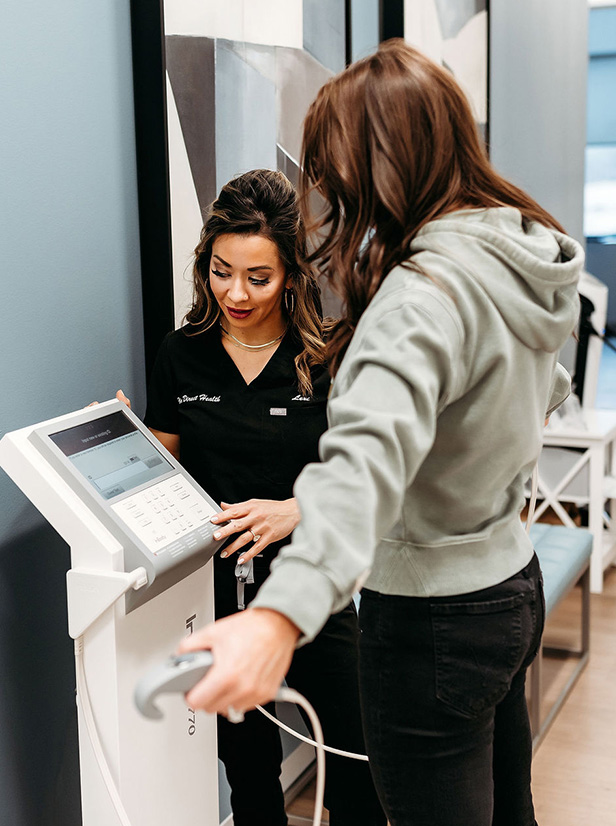
However, BMI is not a perfect measure. It does not distinguish between muscle mass and fat mass, nor does it reflect your actual body composition. For example, athletes with high muscle mass may have a high BMI but low body fat, while someone with a normal BMI could still have excess visceral fat. More precise assessments, such as an Inbody Scan, can offer a clearer picture of your body fat and muscle mass.
Understanding your body mass index can be a helpful starting point, but it’s important to look beyond the number and consider your overall body composition, muscle mass, and health habits for a more complete view of your well-being.
The Longevity Perspective
Excess visceral fat, also known as ‘active fat’, is not cosmetic.
It is biologically active tissue that accelerates aging and influences how the body functions, impacting overall health.
When we reduce visceral (active) fat while preserving or building muscle, we:
- Improve insulin sensitivity
- Lower inflammatory burden
- Improve lipid markers
- Support cognitive protection
- Lower high blood pressure
- Reduce long-term disease risk
Losing more weight through improved body composition, especially by targeting active fat, can have greater long-term health benefits, including better maintenance of weight loss and reduced risk of conditions like diabetes and heart disease.
This is why body composition is central to longevity medicine.
Who Is a Candidate?
Peptide therapy for body composition may be appropriate for patients who:
- Have high visceral fat on imaging
- Plateaued with traditional weight loss
- Lost muscle mass on GLP-1 therapy
- Show low-normal IGF-1
- Want a longevity-based metabolic strategy
- Are healthy individuals seeking to optimize body composition and longevity, under medical supervision
It is not a quick fix. It is a physiologic strategy.
Final Thoughts
Body composition is a reflection of metabolic signaling.
Peptides like Tesamorelin and others don’t override your biology; they nudge it back toward balance.
When combined with:
- Strength training
- Adequate protein
- Sleep optimization
- Hormone balance
- Mitochondrial support
Supportive lifestyle strategies can further enhance results: distribute protein across daily meals, limit processed foods and trans fats, choose other foods that are nutrient-dense, consider a low fat diet if appropriate, ensure adequate vitamin D intake, and include functional movements like climbing stairs in your routine.
They become part of a longevity-focused plan, not just a weight loss plan.
Because the goal isn’t smaller. It’s metabolically stronger.
Learn more on The Better Yoo Podcast!