If you’ve ever tried to “eat more protein,” you’ve probably had the same thought:
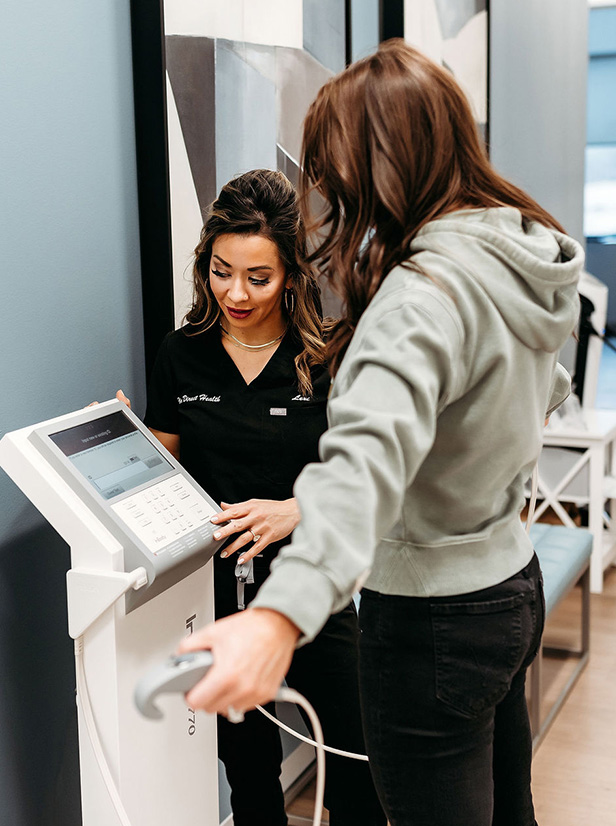
Want your own numbers? Use our free macro calculator to get your daily protein, carbohydrate and fat targets. It takes about a minute, and you can add your InBody body fat percentage for a more accurate result.
“There’s no way I can hit 100 grams a day.”
It feels like a lot. It sounds overwhelming. And most people assume it requires complicated meals or eating foods they don’t even like.
But here’s the reality:
100 grams of protein per day is a very doable baseline especially for women.
And it becomes even more important depending on your goals… especially if you’re using GLP-1 medications, which are FDA approved weight loss medications often prescribed for obesity.
Why 100 Grams Protein Intake Is the Starting Point (Not the Goal)
For most women:
- 100g/day is a strong baseline for satiety, metabolism, and muscle maintenance
But the real target is individualized:
- 0.7-1.0 grams per pound of body weight
- Or 1.6-2.2 g/kg
So:
- 130 lbs → ~90-130g/day
- 160 lbs → ~110-160g/day
100g is the minimum effective dose not the ceiling.
Why This Matters More on GLP-1s Weight Loss Medication
GLP-1 medications (like semaglutide or tirzepatide) work by:
- Reducing appetite
- Slowing gastric emptying
- Helping regulate blood sugar
- Reducing food intake
Which sounds great until you realize this:
If you’re eating less but not prioritizing protein, you will lose muscle.
And that’s the problem most people don’t see coming.
Without enough protein:
- Weight loss = muscle + fat loss
- Metabolism slows down
- Long-term results suffer
Healthcare providers play a key role in prescribing and monitoring GLP-1 medications to ensure safe and effective use.
At Yoo Direct Health, this is where we shift the strategy:
We don’t just focus on weight loss we protect muscle.
And that starts with protein.
Exercise, especially resistance training, is even more important than dietary protein for maintaining muscle mass, with protein serving as a supportive factor.
Why It Feels So Hard (But Isn’t)
Most people under-eat protein because:
- Breakfast is mostly carbohydrates, one of the three main macronutrients (along with protein and fat)
- Lunch is inconsistent
- Dinner carries all the protein
- Snacks are low-protein
It is a common misconception that protein must be evenly distributed throughout the day; research shows that as long as your total protein intake is sufficient, the timing or distribution across meals is less important.
So they end the day at: 40-60 grams… and wonder why they feel hungry or plateau.
The fix isn’t eating more. It’s being intentional with each meal.
The Fool-Proof 100g Protein Day
Think of your day like this:
- Breakfast: 25-30g
- Lunch: 30-35g
- Dinner: 30-35g
- Snack: 10-20g
Now you’re at 100g without forcing it.
Protein Sources That Make It Simple
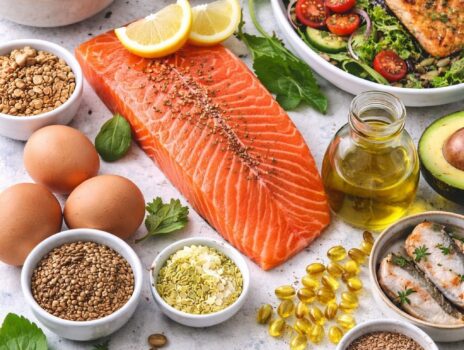
Getting enough protein doesn’t have to be complicated or boring. In fact, there are more options than you might think; whether you prefer animal proteins, plant based foods, or a mix of both. The key is to choose protein sources that fit your health needs, support your body weight goals, and provide the essential amino acids your body needs for muscle mass, bone health, and overall well-being.
Animal proteins like lean meats, poultry, fish, eggs, and dairy are excellent sources of dietary protein. They contain all the essential amino acids your body can’t make on its own, making them especially effective for building and repairing muscle tissue. For example, chicken breast, salmon, Greek yogurt, and eggs are all high in protein content and can easily help you reach your daily protein intake targets. However, it’s important to be mindful of saturated fat, especially in red meat and full-fat dairy, as a high intake can increase the risk of certain health conditions, including heart disease and some cancers. Choosing lean cuts and varying your animal protein sources can help manage these risks.
Plant proteins are another powerful option, especially for those focused on weight management or following a plant-based diet. Foods like beans, lentils, tofu, tempeh, seitan, pumpkin seeds, and whole grains (such as quinoa and brown rice) are rich in protein and fiber, which can help you feel fuller for longer and support weight loss. While most plant based sources don’t contain all the essential amino acids in a single food, combining different plant proteins throughout the day, like rice and beans or hummus with whole grain pita, ensures you get a complete amino acid profile. Plus, plant proteins are generally lower in saturated fat and can support heart health.
When considering a high protein diet, it’s also important to be aware of potential health implications. Consuming more protein than your body needs, especially from animal sources, can put extra strain on your kidneys and liver, particularly if you have pre-existing health conditions. Some people may also experience allergic reactions or an upset stomach from certain protein sources or weight loss medications. If you notice any unusual symptoms, contact your healthcare provider immediately.
To determine how much protein is right for you, and to develop a treatment plan that fits your health goals, consult with a registered dietitian or healthcare provider. They can help you balance your protein intake with other nutrients, manage any health conditions, and ensure you’re getting enough protein without unnecessary risk.
Simple, Real-Life Meals
Two options for each, built with foods people actually like.
Breakfast (25-30g)
Option 1: Egg Scramble
- 2 eggs + ½ cup egg whites
- Cheese, spinach, peppers
- ~25-30g protein
Option 2: Greek Yogurt Bowl
- 1 cup Greek yogurt
- Berries + almond butter
- Optional: add protein powder
- ~20-30g protein
Lunch (30-35g)
Option 1: Chicken Bowl
- 4-5 oz grilled chicken
- Rice or potatoes
- Veggies + olive oil
- ~30-35g protein
Option 2: Turkey Wrap
- High-protein wrap
- 4-5 oz turkey
- Cheese, lettuce, mustard
- Side of fruit
- ~30g protein
Dinner (30-35g)
Option 1: Salmon Plate
- 5 oz salmon
- Roasted veggies
- Sweet potato
- ~30g protein
Option 2: Steak + Potatoes
- 4-5 oz steak
- Potatoes + greens
- ~30-35g protein
Snack (10-20g)
Option 1: Protein Yogurt
- Greek yogurt or skyr
- ~15-20g protein
Option 2: Simple Protein Shake
- Protein powder + water or milk
- ~20g protein
- Note: Many protein powders include added vitamins to enhance nutritional value. Always read ingredient labels to check for added vitamins and other non-protein ingredients.
How This Protects Your Results (Especially on GLP-1s)
When protein is dialed in:
- You preserve lean muscle mass
- You maintain a higher metabolic rate
- You improve body composition (not just weight loss)
- You reduce the risk of regaining weight later
Protein provides the building blocks for new proteins in your body, including those that make up muscles, skin, hair, and enzymes, making it essential for many bodily functions.
This is the difference between:
- Looking “smaller but softer” vs
- Looking leaner, stronger, and healthier
The Shift That Makes It Work
Stop asking: “How do I get 100 grams?”
Start asking: “Where is the protein in this meal?”
That one shift changes everything. Remember, plant foods such as legumes and grains can be excellent protein sources, and research shows that the source of protein matters; plant-based proteins are linked to lower risks of chronic diseases compared to red and processed meats.
Final Takeaway
100 grams of protein per day isn’t extreme.
It’s foundational especially if you’re trying to lose weight the right way.
And if you’re on a GLP-1?
It’s not optional. It’s protective.
Because the goal isn’t just to lose weight.
It’s to keep your muscle, protect your metabolism, and actually change your body composition long-term.
From a public health perspective, research indicates that replacing red and processed meats with healthier protein sources like beans, nuts, fish, or poultry can lower the increased risk of diseases such as heart disease and type 2 diabetes. Ongoing progress in weight management is best supported by regular follow-up with health care professionals, who can help develop and adjust a personalized treatment plan to ensure safety and effectiveness.
Protein is one piece of the picture. If you want to know what your body is actually doing with it, our team looks at body composition, labs and metabolic markers together as part of our longevity medicine work. Request an appointment to go through your own numbers.
Inside and Out
We work on both.
Functional medicine works from the inside, on what is driving how you feel. Skincare and aesthetics work from the outside, on what you see in the mirror. Most people want both, and you do not need to be a medical patient here to start either one.
Aesthetic appointments are open to everyone and are booking now at our Noblesville clinic. The medical-grade skincare we carry ships anywhere.
Shop ZO Skin Health → Book a skin assessmentEvery ZO order through our link supports your care at Yoo Direct Health.