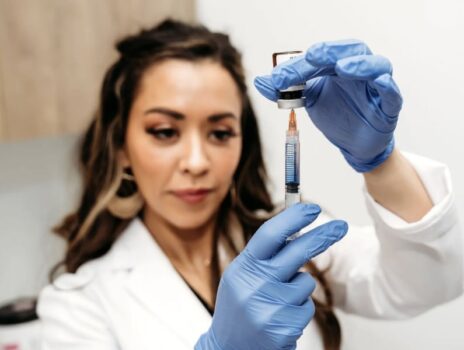
Body composition is not just about the number on the scale. It is about how much fat you carry, how much lean muscle you preserve or build, and how efficiently your metabolism functions over time. This is where peptides, especially GLP-1 and GIP based therapies, have completely changed the conversation. Major pharmaceutical companies such as Novo Nordisk and Eli Lilly have played a significant role in developing and marketing GLP-1 medications, contributing to the expansion and accessibility of these therapies for obesity and diabetes.
At Yoo Direct Health, we are pro GLP-1s when they are prescribed intentionally, monitored closely, and paired with standards that protect muscle mass and long term metabolic health. Peptides are not a shortcut. They are a tool, and when used correctly, they can significantly improve body composition, metabolic flexibility, and overall health outcomes.
What Are Peptides and Why Do They Matter for Body Composition
Peptides are short chains of amino acids that act as signaling molecules in the body. Unlike medications that force a response, peptides work by communicating with your body’s existing systems, encouraging more optimal function.
When it comes to body composition, certain peptides influence:
- Appetite signaling and satiety
- Insulin sensitivity and glucose control
- Fat storage and fat mobilization
- Muscle preservation and recovery
- Inflammation and metabolic efficiency
GLP-1 is naturally released after eating, helping to regulate blood sugar and promote feelings of fullness.
GLP-1s and GIP based therapies are some of the most well studied peptides in this space, and for good reason.
GLP-1s Explained: More Than Appetite Control and Weight Loss
GLP-1, or glucagon like peptide 1, is a hormone your body naturally produces in the gut. It plays a role in:
• Slowing gastric emptying so you feel full longer
• Increasing satiety signals in the brain
• Supporting healthy blood sugar regulation
• Reducing post meal glucose spikes
• Influencing food preferences and cravings
• Reducing overall food intake by promoting satiety
Medications like semaglutide mimic this natural hormone, amplifying its effects. These medications help the pancreas release enough insulin after eating to regulate blood sugar, and in some cases, may stimulate the body to produce more insulin as needed.
When used appropriately, GLP-1 therapy can reduce calorie intake and overall food intake without triggering the extreme hunger or metabolic slowdown seen with crash dieting.
The key benefit for body composition is that GLP-1s help reduce fat mass while allowing patients to maintain a more stable metabolic environment. GLP-1’s effects on food choices and calorie intake can help improve dietary habits and support long-term metabolic health. However, this only holds true when therapy is properly monitored.
GIP and Dual Agonists: A More Advanced Approach
GIP, or glucose dependent insulinotropic polypeptide, is another gut hormone involved in insulin signaling and nutrient handling. Newer therapies that combine GLP-1 and GIP activity, such as tirzepatide, offer a more comprehensive metabolic effect.
Dual agonists work by:
- Enhancing insulin sensitivity
- Improving how the body partitions nutrients
- Supporting fat loss while reducing metabolic stress
- Offering greater improvements in body composition compared to GLP-1 alone for some patients
This is not about faster weight loss. It is about better quality weight loss.
Why Monitoring Matters: Muscle Is the Metric to Prevent Muscle Loss
One of the biggest concerns with GLP-1 therapy is muscle loss. This is not a reason to avoid treatment. It is a reason to do it correctly.
Any time someone is in a caloric deficit, muscle loss is a risk. GLP-1s do not inherently cause muscle loss, but rapid weight loss without proper oversight absolutely can.
This is why we monitor standards such as:
- Lean mass and skeletal muscle trends
- Rate of weight loss
- Protein intake and nutritional adequacy
- Resistance training compliance
- Metabolic markers and labs
Tracking body composition rather than just scale weight allows us to intervene early. If lean mass drops too quickly, the plan is adjusted. This may include nutritional changes, resistance training optimization, peptide support for muscle recovery, or dose adjustments.
Muscle is not optional. It is essential for longevity, metabolic health, and long term weight maintenance.
Understanding Potential Side Effects of Peptide Use
While GLP-1 receptor agonists have transformed obesity treatment and diabetes care, it’s important to understand their potential side effects and risks. The most common side effects include nausea, vomiting, diarrhea, and upset stomach, especially when starting treatment or increasing the dose. These symptoms can often be managed with dietary adjustments, staying hydrated, and following your healthcare provider’s recommendations.
Another important consideration is muscle loss, which can occur with rapid weight loss if not properly managed. When nutrition is optimized with adequate protein intake, resistance training is prioritized, and progress is tracked with InBody scans, patients can protect lean muscle while improving overall body composition. InBody scans allow us to monitor muscle mass alongside fat loss, so adjustments can be made in real time to support strength, metabolism, and long-term success rather than just a lower number on the scale.
Before starting GLP-1 receptor agonist therapy, discuss your full medical history, current medications, and any concerns with your healthcare provider. Ongoing monitoring and individualized care are key to maximizing benefits and minimizing risks, ensuring that your treatment supports both your weight loss and overall health goals.
Cardiovascular Benefits: Beyond Fat Loss and Muscle
GLP-1 receptor agonists offer more than just support for weight loss and muscle preservation—they also provide significant cardiovascular protection. Clinical trials have demonstrated that these medicines work to reduce the risk of major cardiovascular events, including heart disease, heart attack, and heart failure, especially in patients with diabetes or obesity.
One of the ways GLP-1 drugs deliver these benefits is by slowing digestion, which leads to lower blood sugar levels and improved insulin sensitivity. This not only helps people lose weight but also reduces the strain on the heart and blood vessels. The reduction in body weight and fat, particularly in fatty tissue, further decreases inflammation and supports overall cardiovascular health.
New research continues to highlight the positive impact of GLP-1 receptor agonists on heart health. Patients using these injectable medications have shown a lower risk of developing heart failure and kidney disease, making them a valuable option for comprehensive diabetes care and weight management. These benefits extend beyond the scale, helping to protect against long-term complications associated with obesity and diabetes.
When considering GLP-1 therapy, health care providers should take into account each patient’s unique health conditions and risk factors. By integrating GLP-1 receptor agonists into a broader treatment plan, patients can achieve not only effective weight management but also improved cardiovascular outcomes and better overall health.
GLP-1s as Part of a Bigger Peptide Strategy for Obesity Treatment
GLP-1s are powerful, but they work best when they are part of a comprehensive body composition plan. Depending on the patient, this may include additional peptides that support:
- Muscle recovery and repair
- Inflammation reduction
- Mitochondrial function
- Exercise adaptation
The goal is not just to lose fat, but to build a body that can sustain results long term.
The Difference Between Medical Oversight and Trend Based Use
GLP-1s have become mainstream, and that comes with problems. Prescribing without education, monitoring, or long term planning leads to burnout, muscle loss, rebound weight gain, and metabolic damage.
A medical approach means:
- Individualized dosing
- Clear expectations around nutrition and training
- Regular check ins and data review
- Adjustments based on body composition, not aesthetics
- An exit or maintenance strategy
This is why we are pro GLP-1s when they are used with intention and accountability.
Body Composition Is a Long Game
The real value of peptides is not rapid weight loss. It is improving how your body functions, adapts, and ages.
When GLP-1s and GIP based therapies are monitored properly, they can:
- Enhance fat loss while preserving muscle
- Improve metabolic efficiency
- Reduce visceral fat
- Support sustainable lifestyle changes
- Lower long term cardiometabolic risk
Peptides are not a replacement for movement, nutrition, or strength training. They are an amplifier for the right foundation.
Final Thoughts
GLP-1s and related peptides are one of the most impactful tools we have for improving body composition when they are used correctly. The difference between success and failure is not the peptide itself. It is the strategy behind it.
At Yoo Direct Health, we believe in using peptides as part of a data driven, muscle focused, longevity aligned approach. Fat loss matters, but muscle, metabolism, and long term health matter more.
If you are considering GLP-1 therapy, the question should not be whether it works. The question should be whether it is being monitored well enough to protect your body for the long run. Learn more on The Better Yoo Podcast!